RSV: A Dangerous Virus for Infants That Can Be Life-Threatening
During the transition from the rainy season to winter, several diseases commonly affect small children, including Influenza, Hand, Foot, and Mouth Disease, Dengue Fever, and Chickenpox. However, one virus that requires extreme vigilance is RSV (Respiratory Syncytial Virus).
RSV causes inflammation in the lower respiratory tract, specifically leading to pneumonia or bronchiolitis (inflammation of the small airways in the lungs).
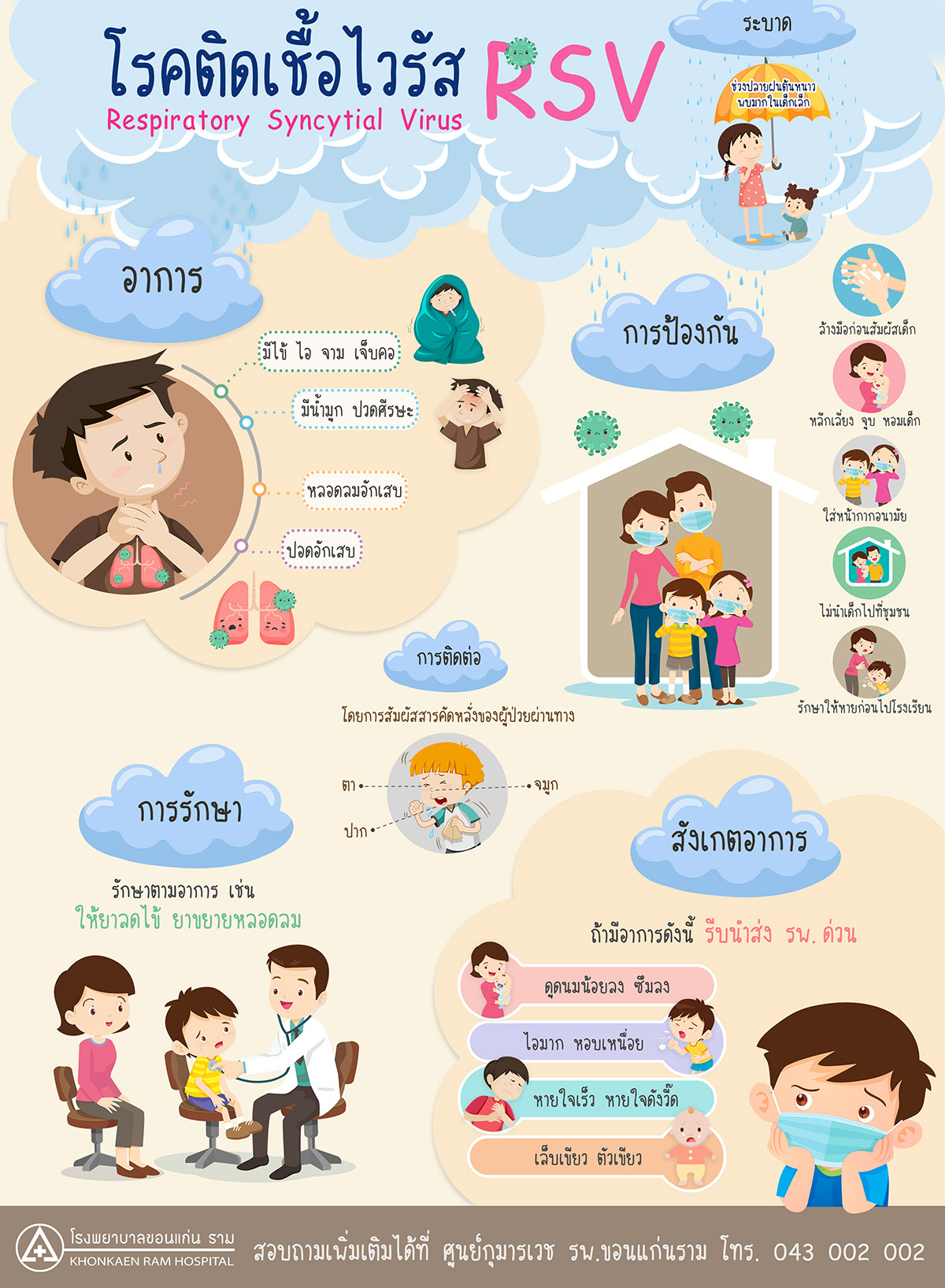
How RSV Spreads
RSV is highly contagious. It spreads through contact with secretions (mucus, saliva) from an infected person via the eyes, ears, nose, or mouth. It can also be transmitted through direct physical contact, such as shaking hands.
The virus can survive on surfaces for several hours. Infants can be infected from birth, with an incubation period of approximately 2–6 days after exposure.
Symptoms
Initial symptoms resemble a common cold: fever, cough, sore throat, runny nose, and headache. However, if the virus reaches the lower respiratory tract, it can cause severe pneumonia and potential secondary bacterial infections.
Severe symptoms include wheezing and intense coughing, which can lead to respiratory failure and death. Infants and young babies are at the highest risk, especially if medical treatment is delayed.
Seek immediate hospital care if your child exhibits these Red Flags:
- Dehydration: Crying without producing tears.
- Persistent Fever: A fluctuating high fever with a constant clear runny nose.
- Behavioral Changes: Loss of appetite, extreme irritability, or lethargy.
- Severe Cough: A persistent, barking-like cough or frequent sneezing.
- Discolored Phlegm: Greenish, yellow, or dark-colored mucus.
- Respiratory Distress: Wheezing, rapid/shallow breathing, shortness of breath, or flared nostrils while breathing.
- Cyanosis: Bluish or dark tint on fingertips, nails, or skin due to lack of oxygen.
Treatment
- Symptomatic Care: There is no specific antiviral "cure." Treatment involves managing the fever with medication every 4–6 hours, sponge baths, and plenty of rest.
- Hospital Intervention: If symptoms do not improve by the 4th day, it may become dangerous. Hospitalized patients may receive IV fluids, bronchodilators, and respiratory therapy (nebulization, chest physiotherapy, and suctioning). Antibiotics are used only if secondary bacterial infections occur. Severe cases may require a ventilator and close monitoring by a specialized medical team.
Prevention
- Wash hands thoroughly with soap before touching or holding a child.
- If a child is infected, keep them home from school until fully recovered.
- Regularly clean toys and personal items; do not share cups or utensils.
- Avoid kissing or smelling a child's face, as this is a common way adults unknowingly spread the virus.
- Wear a surgical mask and avoid crowded public areas.
- New Preventive Technology: In 2026, Nirsevimab (an RSV monoclonal antibody) is available. It provides immediate protection for infants.
- Reduces RSV infection risk by 79.5%.
- Reduces RSV-related hospitalization by 83.2%.
- Reduces the risk of ICU admission by 75.3%.





Related Packages
Dengue Vaccine
Protection against Dengue Fever for both children and adults.