Hemorrhoids (โรคริดสีดวงทวารหนัก)
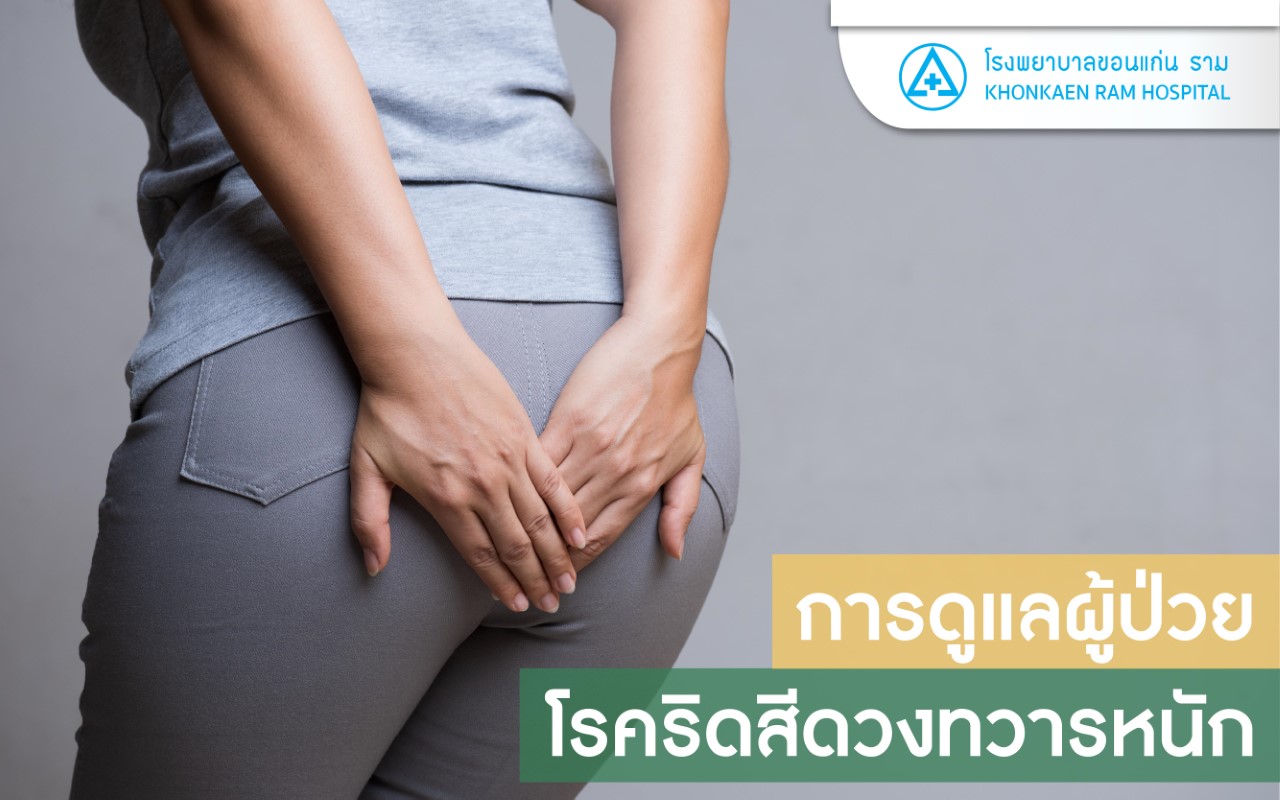
Hemorrhoids are caused by the inflammation and/or swelling of the vascular tissue (veins) inside the rectum and around the anus. They are classified into two types: Internal Hemorrhoids and External Hemorrhoids.
Causes
- Chronic Digestive Issues: Persistent diarrhea, constipation leading to straining, or sitting on the toilet for long periods.
- Aging: As cells and tissues weaken with age, blood vessels can bulge and swell more easily.
- Pregnancy: The weight of the fetus increases pressure on the abdominal veins, slowing blood flow back to the heart and causing blood to pool in the anal area.
- Obesity: Excess weight increases pressure within the abdomen and pelvic cavity.
- Genetics: You are more likely to develop hemorrhoids if you have a family history of the condition.
Symptoms
- Visible Tissue: Dark pink tissue protruding from the anus, often associated with constipation or diarrhea.
- External Symptoms: If a blood clot forms in a bulging vessel (thrombosed hemorrhoid), it causes significant pain, swelling, and itching. Bleeding is less common in external types.
- Internal Symptoms: Bright red blood appearing after a bowel movement (painless bleeding). Blood is often noticed on toilet paper; symptoms may come and go.
- Prolapse: Soft tissue lumps that slide out of the anus when blood vessels are severely swollen.
Treatment
Management options include oral medications, topical suppositories, and surgical procedures for severe cases.
Self-Care Guidelines
- Hydration: Drink at least 8–10 glasses of water daily to keep stool soft and easy to pass.
- High-Fiber Diet: Increase intake of vegetables and fruits with high fiber content.
- Bowel Habits: Practice regular bowel movements; do not hold back or strain excessively.
- Cold Compress: If tissue is swollen and protruding, applying a cold pack may help reduce the swelling.
- Bleeding Management: If bleeding occurs, use a clean towel to apply firm pressure. If the bleeding does not stop, see a doctor immediately.
When to See a Doctor
If you experience continuous rectal bleeding, seek medical attention. Important: Do not try to forcefully push protruding tissue back inside, as this can cause injury and worsen the swelling.
Related Packages
ผ่าตัดนิ่วในถุงน้ำดี แบบส่องกล้อง
แผลเล็กเจ็บน้อย ฟื้นตัวเร็ว ลดภาวะแทรกซ้อน
ราคา :
140,000-160,000
Men's Sexual Health Restoration
No pills, no supplements—Treat and restore performance with FSWT.
Price:
12,500 THB / 6 Sessions
Call us