Hernia (โรคไส้เลื่อน)
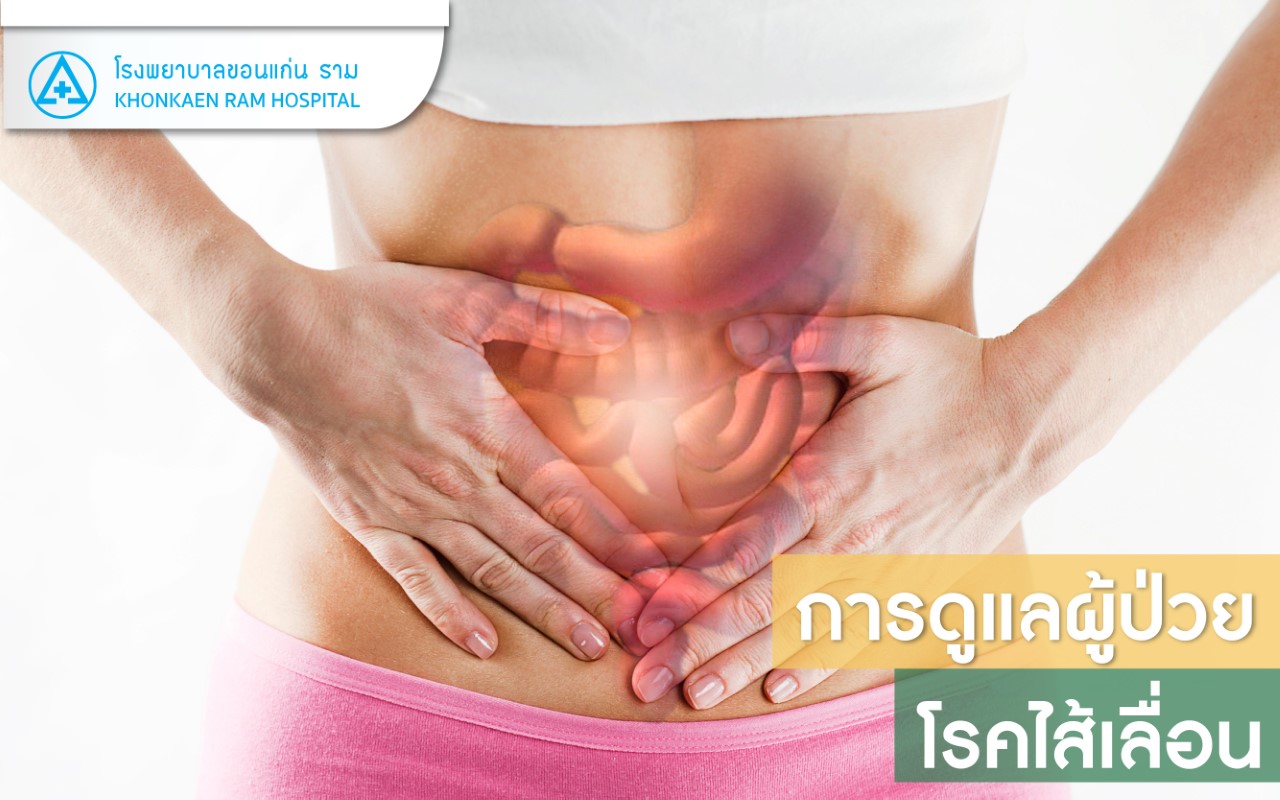
A hernia occurs when an internal organ (usually a part of the small intestine) protrudes through a weak spot or tear in the surrounding muscle or connective tissue (fascia). This displacement usually appears as a visible or palpable lump.
Causes and Risk Factors
- Increased Intra-abdominal Pressure: Being overweight, obesity, or having fluid buildup in the abdomen (ascites).
- Physical Strain: Frequent lifting of heavy objects or chronic coughing.
- Respiratory Issues: Chronic Obstructive Pulmonary Disease (COPD/Emphysema).
- Straining: Repeated straining during bowel movements or urination.
- Pregnancy: Weakening of abdominal muscles in pregnant women.
Common Types and Symptoms
The primary symptom is a noticeable lump. The location depends on the specific type of hernia:
- Inguinal Hernia: A lump felt in the groin area, more common on the right side.
- Umbilical Hernia: A lump appearing at the belly button (navel).
- Femoral Hernia: A lump felt just below the groin crease, in the upper thigh.
- Epigastric Hernia: A lump in the middle of the abdomen above the navel. About 20% of patients may have multiple lumps.
- Spigelian Hernia: A lump occurring at the side of the abdominal muscles.
- Incisional Hernia: A lump that develops at the site of a previous surgical scar.
Treatment
- Surgery: This is the definitive treatment. Urgent surgery is required if the hernia is sudden, difficult to push back, or if the opening is very small, to prevent the intestine from becoming trapped.
- Manual Reduction for Incarcerated Hernia: If a hernia becomes trapped, the doctor may provide pain relief, muscle relaxants, or sedatives while the patient lies flat, then attempt to gently push the hernia back into the abdominal cavity. If successful, elective surgery will be scheduled as soon as possible because the risk of recurrence is high.
[Image of laparoscopic hernia repair surgery]
Prevention and Self-Care
- Avoid Strain: Do not lift heavy objects and avoid straining during bowel movements or urination. Supportive garments or trusses can sometimes help hold the hernia in place.
- Lifestyle Adjustments: Avoid alcohol, tea, coffee, carbonated drinks, and chocolate. Refrain from spicy or high-fat foods. Avoid large meals and do not eat at least 3 hours before bedtime. Quit smoking.
Emergency Symptoms: Seek Medical Attention Immediately
If you experience sudden, intense pain at the site of the hernia, especially if accompanied by nausea, vomiting, or fever, seek medical help immediately. This may indicate a "strangulated hernia," where the blood supply to the intestine is cut off—a life-threatening emergency.
Related Packages
ผ่าตัดนิ่วในถุงน้ำดี แบบส่องกล้อง
แผลเล็กเจ็บน้อย ฟื้นตัวเร็ว ลดภาวะแทรกซ้อน
Men's Sexual Health Restoration
No pills, no supplements—Treat and restore performance with FSWT.