Laparoscopic Cholecystectomy: Modern Gallbladder Surgery
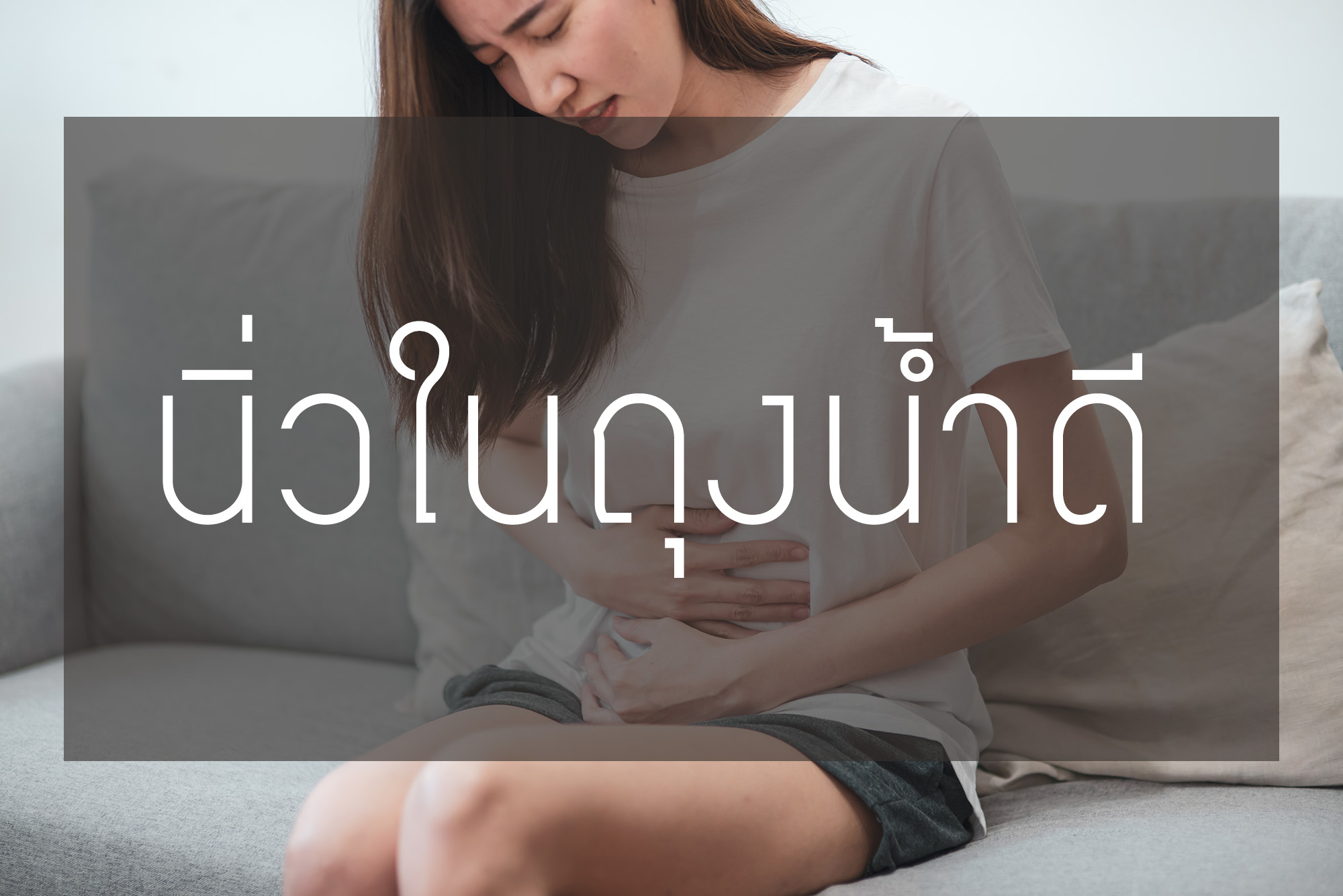
Laparoscopic cholecystectomy is a modern surgical technique that uses high-definition camera technology and long, slender specialized instruments. This allows surgeons to view internal tissues with great detail through small incisions, ensuring a safer procedure with minimal tissue damage to the abdominal wall.
Compared to traditional open surgery—which requires a large incision under the right rib cage—this method significantly reduces post-operative pain, shortens hospital stays, and allows patients to return to their normal lives much faster.
When is Gallbladder Removal Necessary?
Surgeons typically recommend removal when the gallbladder becomes diseased or causes symptoms, such as:
- Gallstones: Causing bloating, indigestion after fatty meals, or sharp pain under the right ribs.
- Cholecystitis: Acute inflammation often accompanied by fever.
- Gallbladder Polyps: Growths on the gallbladder wall that may interfere with function or carry a risk of becoming cancerous.
Understanding the Gallbladder and Bile
Bile is a fluid produced by the liver to help digest and absorb fats. It is stored in the gallbladder. When you eat, the gallbladder contracts, releasing bile through the common bile duct into the small intestine to mix with food.
[Image of the human digestive system showing the liver, gallbladder, and pancreas]
Anatomy of the Liver and Bile Ducts
The liver has two lobes (the right being larger) and sits under the ribs. Bile travels from the liver to the gallbladder via the cystic duct. The common bile duct eventually joins the pancreatic duct before emptying into the first part of the small intestine (duodenum).
Common Gallbladder Diseases
1. Gallstones (Cholelithiasis)
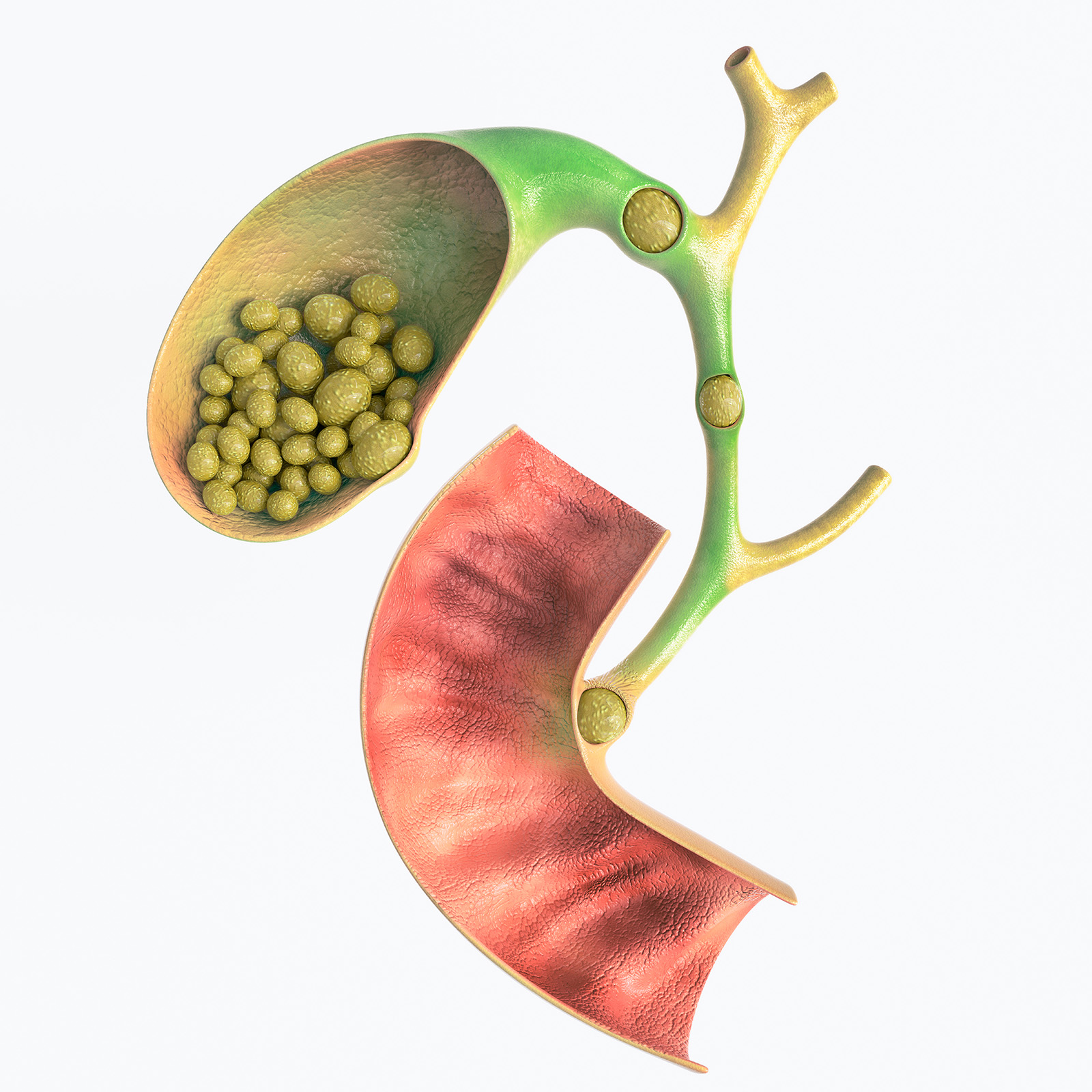
If the chemical composition of bile is unbalanced, sediment can form and harden into stones. These stones can cause chronic injury to the gallbladder wall or block the ducts, leading to intense pain (biliary colic), nausea, and bloating. If left untreated, it can lead to severe infections, gallbladder rupture, or even increase the risk of gallbladder cancer.
2. Gallbladder Polyps
These are growths on the inner lining of the gallbladder. While many are harmless, polyps larger than 7 mm are often removed because they have a higher potential to be or become malignant (cancerous).
The Surgical Procedure
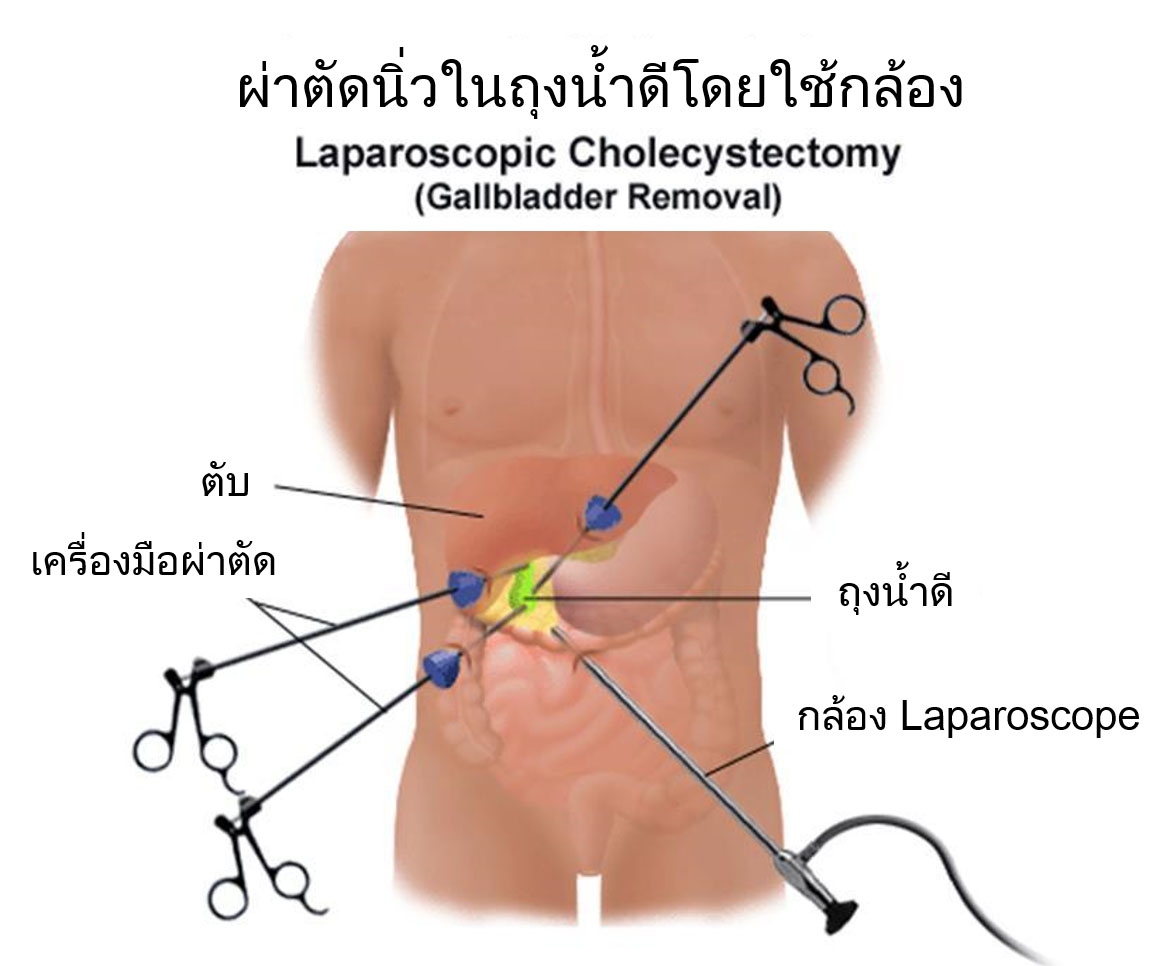
Laparoscopic surgery is now the gold standard. It is performed under general anesthesia. The surgeon makes 3–4 small incisions (0.5–1 cm) and inflates the abdomen with Carbon Dioxide (CO₂) gas to create a safe working space.
Using the camera, the surgeon identifies the gallbladder, clips the vessels and ducts, and removes it. The procedure usually takes 45–90 minutes, with a hospital stay of 1–2 days.
Post-Operative Complications
While safe, some side effects may occur:
- Shoulder Pain: Often felt in the right shoulder due to residual CO₂ gas irritating the diaphragm. This is treated with simple pain relievers and movement.
- Wound Issues: Minor bruising or fluid collection near the small incisions.
- Bloating: Temporary sluggishness of the intestines after being handled during surgery.
- Bile Duct Injury: A rare but serious complication (0.5–1%). In cases of severe inflammation or unusual anatomy, the surgeon may switch to an "open" procedure for safety.
Post-Operative Care
Most patients return to light activities within a week. Waterproof dressings allow for easy showering. Because the incisions are small, healing is typically rapid and leaves minimal scarring.



Related Packages
ผ่าตัดนิ่วในถุงน้ำดี แบบส่องกล้อง
แผลเล็กเจ็บน้อย ฟื้นตัวเร็ว ลดภาวะแทรกซ้อน
Men's Sexual Health Restoration
No pills, no supplements—Treat and restore performance with FSWT.