Obstetric and Gynecological Ultrasound

An ultrasound (ultrasonography) is a diagnostic procedure that uses high-frequency sound waves. These waves are emitted into the body, bounce off internal organs, and return to a sensor which converts them into a visual image on a monitor.
The primary advantages of an ultrasound are that it is painless and completely safe, with no harmful radiation effects on the patient, mother, or fetus.
- Obstetric Ultrasound: Used to confirm pregnancy (intrauterine vs. ectopic), detect twins, determine fetal gender, calculate gestational age, estimate fetal weight, and check for abnormalities in the fetus, placenta, or amniotic fluid.
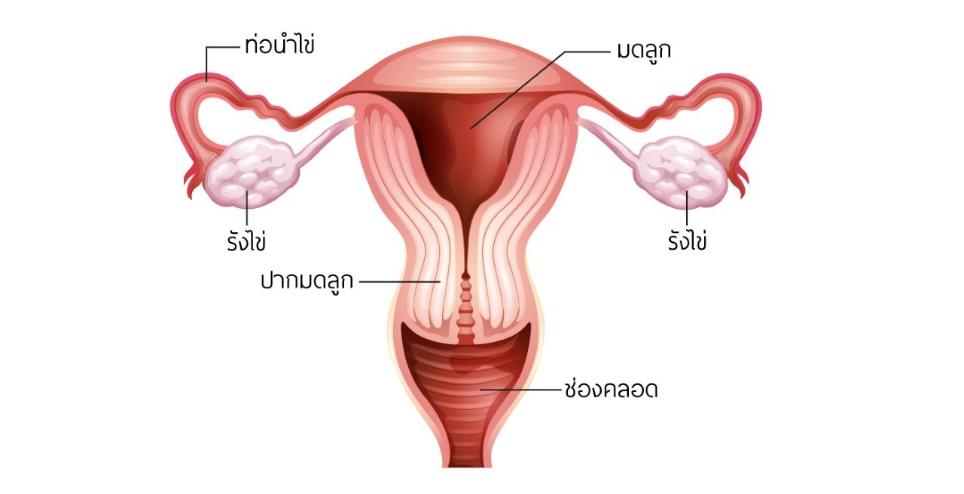
- Gynecological Ultrasound: Used to detect abnormalities in the uterus and ovaries, such as ovarian cysts, tumors, uterine fibroids, endometrial issues, or other pelvic masses.
Two Main Methods of Examination
- Transabdominal Ultrasound: Performed over the skin of the lower abdomen. Patients must drink plenty of water and hold their urine before the test. A full bladder helps push the intestines out of the pelvic area, providing a clearer "window" to view the uterus and ovaries.
- Transvaginal Ultrasound: A specialized probe is gently inserted into the vagina. This provides a much clearer and more detailed view of the reproductive organs because the probe is closer to the uterus and ovaries. No bladder filling is required.
[Image comparing transabdominal and transvaginal ultrasound probe positions]
Generally, doctors will start with a transabdominal exam, especially for younger patients or those who have not yet been sexually active, or based on the patient's comfort and preference.
When should you get an ultrasound?
- Persistent pain in the lower abdomen or pelvic region.
- Irregular menstrual cycles or abnormal bleeding.
- To characterize a discovered mass (determining if it is solid or fluid-filled).
- To monitor existing conditions (like fibroids or cysts) over time.
- As part of a comprehensive annual health check-up.



Related Packages
Call us