Cystoscopy (การส่องกล้องทางเดินปัสสาวะ)
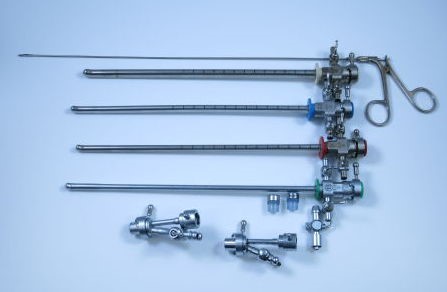
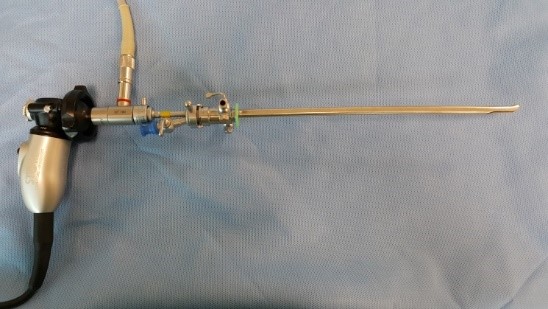
A cystoscopy is a medical procedure used to examine the inside of the bladder and the urethra. It allows urologists to visualize the urinary tract tissue using a Cystoscope—a thin, lighted tube with a camera at the tip. This scope also features a specialized channel for inserting small instruments to perform diagnostic tests or treat urinary issues.
|
|
The Procedure
For diagnostic purposes, the procedure is typically performed under local anesthesia applied to the urethra. A specialized lubricating gel is used before the scope is gently inserted through the urethra into the bladder. Sterile water is then passed through the scope to expand the bladder wall, providing a clearer view for the physician.
During the exam, you may feel a strong urge to urinate as the bladder fills, but you must wait until the scope is removed. The process generally takes 5–20 minutes. While you may feel slight discomfort, it is generally not painful due to the anesthetic.
If the cystoscopy is for treatment (such as breaking up bladder stones, inserting stents, or prostate surgery), general anesthesia is usually required, and a hospital stay will be necessary.
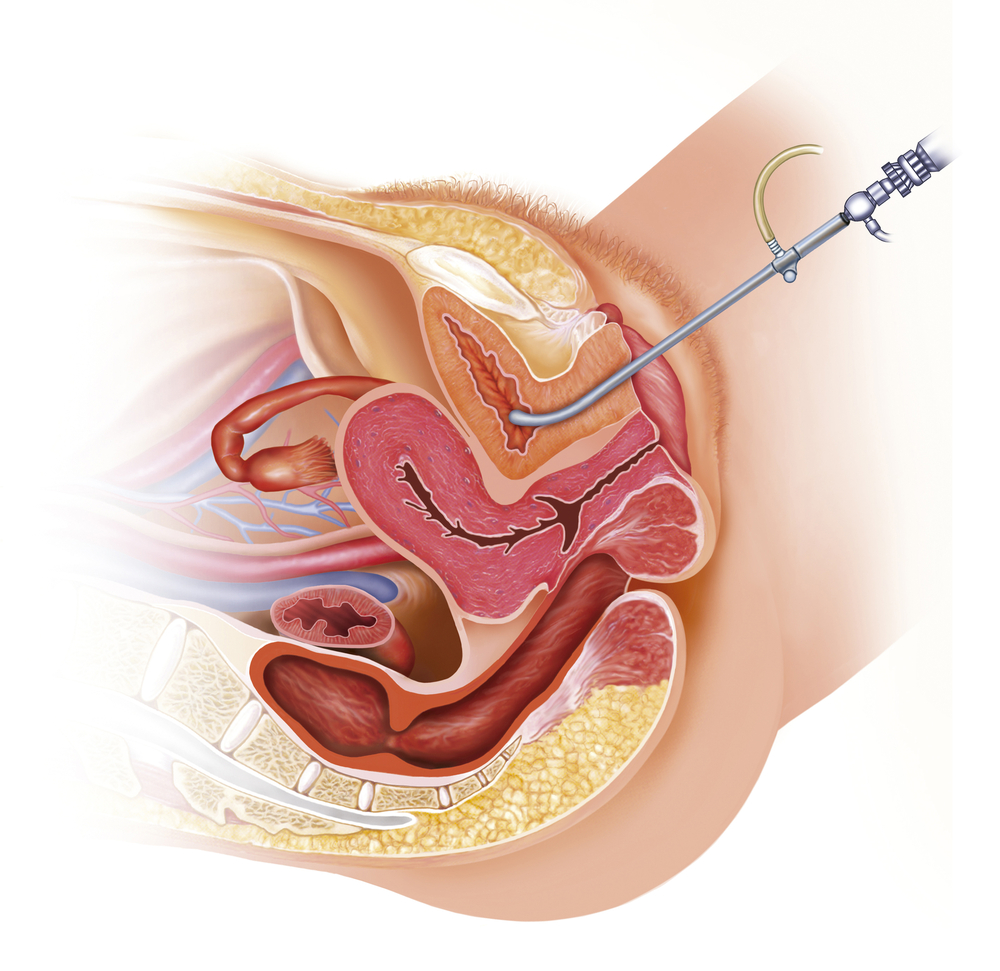
Advanced Capabilities: During the procedure, urologists can remove stones, perform biopsies (take tissue samples), collect urine specimens directly from the ureters, or inject contrast dye for X-ray imaging.
Benefits of Cystoscopy
- Identifying Causes of Urinary Symptoms:
- Blood in the urine (Hematuria).
- Chronic pelvic pain.
- Recurrent urinary tract infections (UTIs).
- Incontinence (inability to hold urine).
- Weak urine stream or difficulty starting urination.
- Abnormal cells found in routine urine tests.
- Painful or frequent urination.
- Diagnosing and Monitoring Conditions:
- Urethral strictures (narrowing) or blockages.
- Tumors or bladder cancer.
- Stones in the bladder or ureters.
- Enlarged prostate (BPH).
Related Packages
ผ่าตัดนิ่วในถุงน้ำดี แบบส่องกล้อง
แผลเล็กเจ็บน้อย ฟื้นตัวเร็ว ลดภาวะแทรกซ้อน
Men's Sexual Health Restoration
No pills, no supplements—Treat and restore performance with FSWT.